The tiny home movement has shifted from a fringe trend to a legitimate lifestyle choice for homeowners seeking financial freedom, environmental responsibility, and intentional living. Operation Tiny Home isn’t just about square footage, it’s a strategic downsizing project that requires smart planning, thoughtful design, and honest assessment of what you actually need. Whether you’re motivated by rising housing costs, the desire for less maintenance, or simply wanting more flexibility in life, this guide walks you through the practical steps to transition successfully into small-space living. If you’re ready to strip away excess and build a home that works harder for you, let’s get started.
Table of Contents
ToggleKey Takeaways
- Operation Tiny Home is a deliberate downsizing strategy that transforms how you live by rethinking storage, work, and daily routines in spaces typically ranging from 200 to 800 square feet.
- Financial freedom and reduced maintenance costs are primary drivers for tiny home adoption, freeing thousands annually for savings and allowing you to redirect focus toward relationships and personal goals.
- An honest assessment of your non-negotiables—work-from-home needs, entertainment habits, hobbies, and mobility requirements—determines the realistic size and layout for your tiny living space.
- Strategic storage solutions using vertical space, multi-functional furniture, and organized systems transform tiny homes from claustrophobic to genuinely livable.
- Small-space design relies on light colors, open-concept layouts, proportional furniture, and minimal visual clutter to create comfort and the illusion of more space.
- Success with Operation Tiny Home requires treating it as a mindset shift, not just a physical move—experiment first, plan deliberately, and commit to intentional consumption before making the transition.
What Is Operation Tiny Home?
Operation Tiny Home refers to a deliberate downsizing initiative where homeowners transition from traditional-sized homes into compact, efficient living spaces, typically ranging from 200 to 800 square feet. This isn’t just about finding a smaller house: it’s a holistic project that involves decluttering, reorganizing your lifestyle, and rethinking how you use every inch of space.
Tiny homes come in various forms: manufactured tiny houses on wheels, ADUs (accessory dwelling units) on your property, studio or one-bedroom apartments, or compact houses purpose-built for efficient living. The movement gained momentum as housing prices climbed and homeowners recognized the burden of maintaining large spaces filled with stuff they rarely use.
The core idea is intentionality. Every item, every corner, and every design choice must earn its place. You’re not just cramming a normal life into less square footage, you’re fundamentally changing how you live. This means rethinking storage, entertainment, work-from-home setups, and daily routines.
Why Homeowners Are Choosing Tiny Living
The appeal of tiny home living extends beyond nostalgia or trendy aesthetics. Real, measurable benefits drive the decision for most households.
Financial freedom tops the list. A smaller mortgage or rent payment frees up thousands annually for savings, debt payoff, or experiences. Less square footage means lower utilities, reduced property taxes, and minimal maintenance costs. No more paying to heat an empty spare bedroom or maintain a yard larger than you can handle.
Simplified lifestyle is equally powerful. When you own fewer things, you spend less time cleaning, organizing, and shopping. Many tiny home dwellers report reduced stress and stronger focus on what actually matters, relationships, hobbies, and personal goals rather than home maintenance.
Environmental impact matters to a growing segment. Smaller homes require fewer resources to build, heat, cool, and maintain. If sustainability aligns with your values, downsizing delivers tangible results.
Flexibility and mobility appeal to remote workers, retirees, and anyone seeking geographic freedom. Tiny homes on wheels offer the ability to relocate without selling or leaving equity behind. Even stationary tiny homes require less commitment than traditional mortgages.
These aren’t abstract benefits, they translate into real lifestyle changes and financial runway that many homeowners find compelling.
Planning Your Tiny Home Transition
Assessing Your Space and Lifestyle Needs
Before committing to tiny living, conduct an honest audit of how you actually use your current space. Walk through your home for a week and note which rooms you spend time in, which sit unused, and where most activities happen.
Consider non-negotiables. Do you work from home and need dedicated office space? Do you host frequent gatherings or have adult children visiting regularly? Are hobbies equipment-heavy (woodworking, painting, photography)? Do you have mobility issues that require single-level living? These aren’t obstacles, they’re parameters that define your realistic tiny home size and layout.
Think about your social habits and lifestyle rhythms. If you entertain often, open-concept layouts with efficient kitchen-to-living transitions work better than cramped studio configurations. If you’re introverted and spend evenings reading or working solo, a cozy one-room layout might feel sufficient.
Assess storage patterns honestly. Many people accumulate seasonal items (holiday decorations, winter clothes), hobby supplies, or sentimental possessions. Tiny living demands ruthless inventory management, you’ll need creative storage solutions and strict decluttering practices. If letting go of items causes genuine stress, start a slower downsizing process before committing to the move.
Setting a Realistic Budget
Tiny home costs vary wildly depending on your choice: a used trailer home might cost $20,000–$50,000, while a brand-new prefab tiny house can run $80,000–$150,000+. Rentals in tiny home communities typically fall between $800–$1,500 monthly, depending on location and amenities.
Beyond purchase price, factor in site work (foundation, utilities, permitting), interior finishing, and any renovations needed to optimize the space. Budget $30–$60 per square foot for quality interior upgrades beyond the base structure. Land costs are often the biggest variable, rural parcels are cheaper, but urban ADUs may command premium prices even though smaller square footage.
Include hidden costs: HOA fees in tiny home communities, higher-than-expected utility hookup charges, permitting delays, and contingency funds for unexpected structural or mechanical issues. A realistic total budget accounts for the home itself plus 15–25% cushion for surprises.
Get pre-approved financing if purchasing. Many lenders hesitate on tiny home loans because resale values are uncertain and inventory is limited. Conventional mortgages rarely apply, you’ll likely need personal loans, construction loans, or specialized tiny home lenders.
Smart Storage and Organization Solutions
Storage is the difference between tiny living feeling liberating and claustrophobic. Strategic solutions transform limited square footage into genuinely functional space.
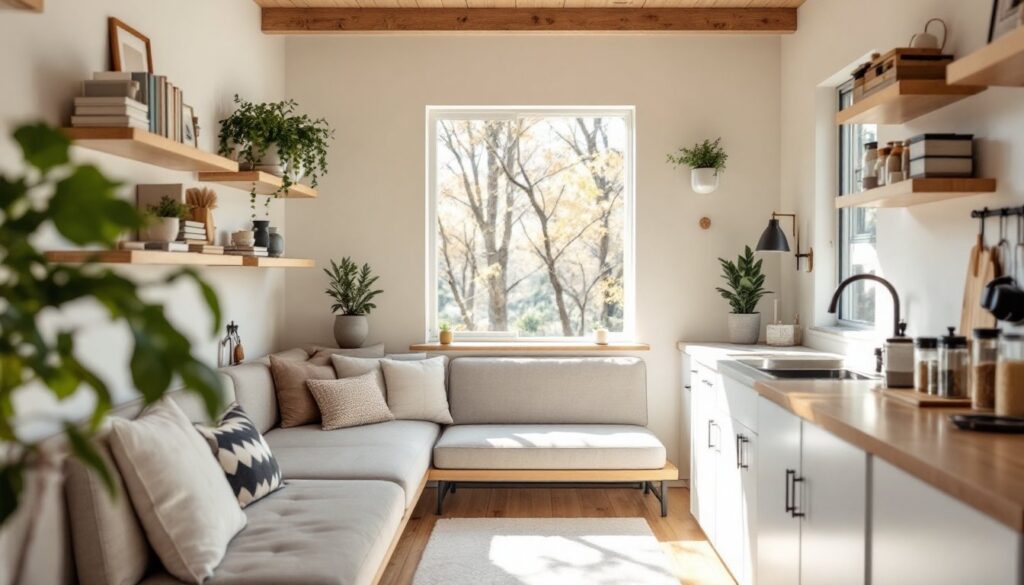
Vertical storage is your first priority. Wall-mounted shelving, hanging organizers, and tall cabinets that reach the ceiling maximize unused vertical real estate. Open shelving displays attractive items while hidden cabinetry stores less photogenic necessities. Floating shelves above desks, beds, and seating areas add storage without eating floor space.
Multi-functional furniture does double duty. Beds with built-in drawers, ottomans with storage interiors, kitchen islands with shelving, and benches with hinged seats consolidate purposes. Fold-down desks and murphy beds reclaim entire rooms when not in use. A dining table that doubles as a work surface reduces the footprint required for separate activities.
Clever under-bed storage in shallow rolling containers keeps seasonal items, linens, and off-season clothing accessible but out of sight. Tall, narrow dresser cabinets fit snugly in closets and corners, holding more than traditional wide dressers in the same footprint.
Kitchen optimization deserves special attention since kitchens consume significant tiny home real estate. Magnetic spice containers stick to the inside of cabinet doors, countertop racks hold pots vertically, and pegboards organize utensils and small appliances. Drawer dividers and cabinet shelf risers maximize internal space. One or two quality small appliances (instant pot, toaster oven) replace a cabinet full of single-purpose gadgets.
Closet systems with double-hang rods, shelf dividers, and over-door hooks triple storage capacity. Vacuum-sealed bags compress seasonal clothing dramatically. Purge ruthlessly, if you haven’t worn it in a year and it doesn’t bring genuine joy, it’s taking up oxygen your tiny home can’t spare.
The key is systems that keep items visible and accessible. Hidden clutter loses effectiveness: organized, thoughtful storage becomes infrastructure.
Design Tips for Living Comfortably in Small Spaces
Small-space design isn’t about cramming more furniture into less room, it’s about thoughtful choices that expand perception and function.
Light and color set the tone. Pale walls and ceilings reflect light and feel less confining than dark shades. Strategic mirrors opposite windows amplify natural light and create a sense of depth. Avoid heavy window treatments: opt for sheer panels or minimal roller shades that don’t consume visual real estate when open.
Open-concept layouts create flow and reduce the visual chop of walls. If your tiny home permits, combine kitchen, dining, and living areas into one multipurpose zone. This approach works especially well in manufactured homes and prefab designs where layout flexibility exists during construction.
Proportional furniture matters enormously. Oversized sofas and heavy tables dwarf small spaces and create traffic obstacles. Slim-leg furniture (couches, tables, chairs) maintains visual lightness. Furniture arranged against walls rather than floating in the middle preserves clear pathways.
Reducing visual clutter goes beyond storage. Consistent color palettes (neutral base with 2–3 accent colors) feel more cohesive than a patchwork of patterns and hues. Fewer, larger decor pieces read cleaner than many small items scattered across surfaces. Experts at Real Simple and Apartment Therapy offer gallery walks and case studies of small spaces that demonstrate how restraint and intentionality create comfort.
Lighting layers prevent the dim, cave-like feeling of inadequate overhead fixtures. Combine ceiling lights, task lighting (reading lamps, under-cabinet kitchen lights), and accent lighting (string lights, wall sconces) for flexibility and ambiance at different times.
Outdoor extension doubles usable space. A small patio, balcony, or deck becomes an additional room. Weather-resistant seating and storage boxes create function without interior square footage sacrifice. If you don’t have outdoor access, focus extra attention on interior layouts that allow for clear zones, sleeping, working, and living areas visually separated even in open-concept floor plans.
Design choices in tiny homes deserve more weight because every decision affects daily livability. Invest in pieces and finishes you genuinely enjoy: regret is amplified when you can’t escape it.
Making the Transition Work
Operation Tiny Home is as much a mindset shift as a physical move. Success depends on realistic planning, honest assessment of your actual needs, and commitment to ongoing decluttering and intentional consumption.
Start by experimenting, spend a weekend in a tiny home rental, audit your current space ruthlessly, and research communities or properties in your target area. Don’t rush. The best tiny home transitions are deliberate, not desperate. With proper planning and smart design choices, tiny living becomes not a sacrifice, but a genuine upgrade in how you live.