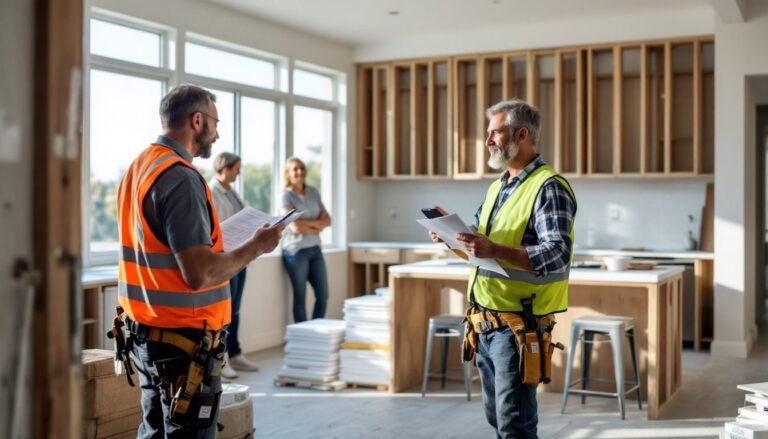
Modular housing is taking the real estate world by storm, and it’s not just because they’re easier to assemble than IKEA furniture. Across the United States, states are jumping on the bandwagon, showcasing innovative designs that cater to various lifestyles and budgets. Who knew that living in a stylish, eco-friendly home could be as simple as stacking Lego blocks?
Table of Contents
ToggleOverview of Modular Housing
Modular housing represents a significant shift in construction methods, offering efficient and modern solutions. Builders manufacture sections, known as modules, off-site, which reduces construction time. Each module arrives on-site fully assembled, ready for connection, minimizing disruption.
Cost efficiency stands as one of the primary advantages of modular homes. Construction typically occurs faster than traditional methods, leading to savings on labor and material costs. Additionally, they incorporate sustainable building practices, often featuring energy-efficient designs. This approach attracts environmentally conscious buyers looking for stylish options.
States across the U.S. embrace modular housing, from urban areas seeking high-density solutions to rural locations requiring cost-effective homes. Different regions showcase unique designs that reflect local preferences and climates. For example, coastal states prioritize materials and construction techniques that withstand harsh weather.
Innovation continues to drive the modular housing market. Manufacturers integrate smart technology into designs, enhancing energy management and home security. Buyers appreciate these advancements, considering them crucial for modern living environments.
As the demand for affordable housing rises, modular homes offer a compelling alternative. They address various housing challenges, providing practical solutions for many demographics. Investors and developers recognize the market potential, stimulating further growth in this sector.
Benefits of Modular Housing
Modular housing offers numerous advantages, making it an appealing choice in today’s real estate market.
Cost Efficiency
Cost efficiency ranks as a primary benefit of modular housing. Faster construction timelines lead to reductions in labor and material costs. Builders assemble modules off-site, which enables more predictable budgeting. Buyers often face lower overall expenses when compared to traditional homes. The reduced need for on-site labor translates into decreased project durations, saving money for both developers and homeowners. This pricing structure attracts a wide range of buyers, including first-time homeowners and investors.
Sustainability
Sustainability stands out among the benefits of modular housing. Factory-built modules often allow for better control over materials and waste compared to conventional construction. Energy-efficient designs contribute to lower utility bills for residents. Manufacturers implement eco-friendly practices, including sourcing sustainable materials and maximizing energy efficiency. Many modular homes incorporate advanced technology for energy management. The focus on sustainability aligns with the growing demand for environmentally responsible living options.
Modular Housing By State
Modular housing continues gaining traction across various U.S. states, showcasing innovative designs and unique characteristics tailored to regional needs. Below, several key states exemplify the diverse applications and benefits of modular construction.
California
California embraces modular housing as a solution to its housing crisis. Rapid construction processes address the urgent need for affordable housing. Designers incorporate contemporary aesthetics, with many homes featuring open floor plans and expansive windows that harness natural light. Advanced technology also plays a pivotal role, allowing for energy-efficient systems. Various manufacturers focus on sustainability, ensuring eco-friendly materials are utilized throughout the building process.
Texas
Texas led the charge in modular housing, capitalizing on its vast land and affordability. The state features a variety of architectural styles, from modern to ranch-inspired designs. Significant benefits include reduced construction times, making it easier for families to transition into new homes quickly. Local builders emphasize durability, adapting modular designs to withstand the Texan climate. The growing popularity of modular homes attracts investors who recognize their potential for rental opportunities.
New York
New York showcases modular housing as an innovative option amidst high urban demand. Urban developers combine efficiency with modern design to create stylish residences that fit within dense cityscapes. Builders prioritize quick assembly to minimize disruption in busy neighborhoods. Factors like zoning regulations influence specific designs, tailoring them to meet city requirements. The integration of smart technologies enhances energy management and minimizes utility costs, attracting environmentally conscious buyers.
Florida
Florida’s modular housing market reflects its diverse culture and climate. Homes are designed to withstand hurricanes, incorporating robust materials and secure structures. Affordable options appeal to retirees and families alike, enhancing living standards in many communities. Innovative builders focus on green building practices, incorporating energy-saving systems to lower long-term costs. Flexible designs allow for customization, accommodating varying lifestyles while maintaining aesthetic appeal.
Challenges Facing Modular Housing
Despite the advantages, modular housing faces several challenges. Local building codes often impede the approval process for modular designs. Regulations vary significantly by state, creating confusion and additional hurdles for manufacturers. Architects must navigate these changes frequently, which can delay project timelines.
Financing poses another obstacle for modular housing. Traditional lenders may not fully understand the value of modular homes, making it difficult for buyers to secure loans. Unique financing options specifically for modular projects remain limited.
Market perception also influences the growth of modular housing. Some consumers still associate modular homes with subpar quality and aesthetic limitations. Overcoming these stereotypes requires consistent marketing efforts that highlight the modern designs and sophistication of modular homes.
Transportation logistics further complicate the modular housing industry. Delivering large modules can incur significant costs, especially on difficult roads or in remote areas. Successful transportation planning is essential to avoid these additional expenses and ensure timely delivery.
Labor shortages in the construction industry continue to negatively impact modular housing growth. Skilled workers are necessary for assembly and installation, yet many regions face gaps in available talent. Addressing workforce challenges is crucial for the construction of modular homes to expand.
Lastly, competition from traditional housing markets persists. Conventional homes often enjoy established reputations, making it challenging for modular housing to gain a foothold. As more consumers seek affordable and sustainable options, modular providers must establish their unique selling points effectively.
Conclusion
Modular housing is reshaping the landscape of affordable living across the United States. With its blend of efficiency style and sustainability it offers a viable solution to the growing housing demand. Each state showcases unique adaptations that cater to local preferences and environmental considerations.
While challenges like regulatory hurdles and market perceptions remain the potential for modular homes is significant. As technology advances and awareness grows more buyers are likely to embrace this innovative approach to homebuilding. The future of modular housing looks promising as it continues to evolve and meet the needs of diverse communities.