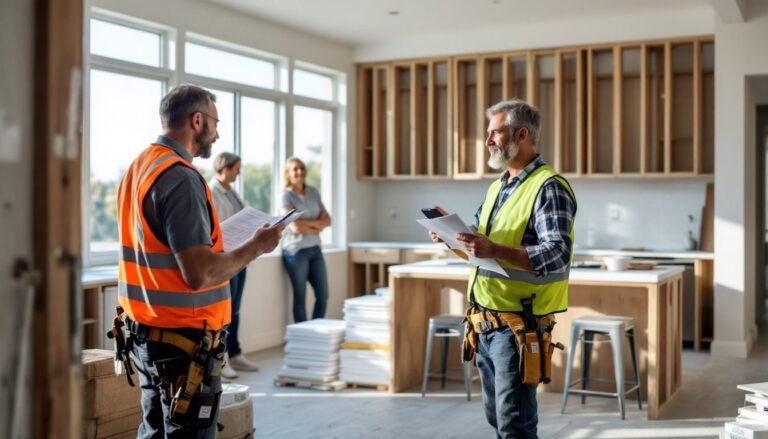
Navigating the maze of state occupancy codes can feel like trying to solve a Rubik’s Cube blindfolded. These codes aren’t just a bunch of bureaucratic mumbo jumbo; they’re the keys to understanding how spaces are used, whether it’s a cozy coffee shop or a sprawling office complex. Knowing these codes can save headaches and even a few bucks, making them essential for anyone involved in real estate, construction, or even just planning a backyard barbecue.
Table of Contents
ToggleOverview of State Occupancy Codes
State occupancy codes define how specific spaces can be used. These codes categorize buildings into classifications based on their usage, such as residential, commercial, or industrial functions. Each classification dictates safety requirements, regulations, and limitations that must be followed.
Different states have their own occupancy codes, often aligning with national standards yet varying in certain aspects. Compliance with these codes ensures safety and legality in construction and modification projects. Each code type serves a particular purpose, addressing how people interact within those spaces.
For example, assembly spaces, such as theaters, require specific safety measures due to their capacity and potential hazards. Residential occupancies, like homes, focus primarily on the living environment and the safety features necessary for occupants.
Understanding occupancy codes is essential for builders and designers. Codes play a crucial role in enabling efficient space utilization while addressing health, safety, and welfare concerns. Meeting these codes contributes to the overall integrity of structures and protects the well-being of individuals using those spaces.
Real estate professionals also benefit from knowledge of occupancy codes. By understanding these codes, they can accurately advise clients about property usage, increase marketability, and avoid potential legal issues. Whether planning an event or constructing a building, familiarity with these codes proves invaluable in navigating the complexities of space utilization.
Importance of State Occupancy Codes
Understanding state occupancy codes significantly impacts various sectors, including real estate and construction. These codes address how spaces can be utilized and the regulations that govern them.
Legal Implications
State occupancy codes carry legal weight that can influence property transactions. Non-compliance with these codes may lead to fines or legal disputes. Each state establishes its own codes, aligning them with national standards in many cases. Such alignment helps enforce regulations that protect community interests. Property developers, architects, and real estate agents must grasp these legal implications to avoid potential penalties. Knowledge of occupancy codes supports compliance and enhances the legitimacy of projects, ensuring they meet strict legal requirements.
Safety Regulations
Safety regulations form a core component of state occupancy codes. These regulations dictate construction standards, emergency exits, and occupancy limits. Different classifications, such as residential and commercial, come with distinct safety mandates. For instance, commercial spaces may require fire suppression systems that residential buildings do not. Adhering to these guidelines helps protect the health and welfare of occupants. Standards often include access for individuals with disabilities, ensuring inclusivity. Awareness of these regulations aids builders and designers in creating safe environments that adhere to the law.
Common Types of State Occupancy Codes
State occupancy codes vary by category, each serving specific purposes and regulations. Understanding these categories aids in compliance and optimizes space use.
Residential Codes
Residential codes apply to areas where people reside, covering single-family homes, multifamily units, and dormitories. Safety measures such as smoke detectors and emergency exits are mandatory. These codes focus on aspects like structural integrity, ventilation, and accessibility standards, ensuring that living environments are safe and functional. Each state may have unique requirements, but they often align with national standards promoting health and safety for occupants.
Commercial Codes
Commercial codes govern spaces used for business activities, including offices, retail stores, and restaurants. Regulations prioritize public safety, mandating features like fire exits, occupancy limits, and parking provisions. Environmental controls are essential for these spaces, influencing aspects like lighting and air quality. Adherence to commercial codes enhances the usability of spaces while protecting both employees and customers from potential hazards.
Industrial Codes
Industrial codes pertain to facilities focused on manufacturing, warehouses, and processing plants. These codes dictate strict construction and safety standards, addressing machinery operation, hazardous materials storage, and waste management protocols. Ensuring compliance with industrial codes not only safeguards worker safety but also promotes environmental responsibility. Each facility may face unique regulatory challenges, often necessitating consultations with experts to navigate the complexities of occupancy requirements.
Challenges in Implementing State Occupancy Codes
Implementing state occupancy codes presents various challenges that professionals must navigate carefully. Understanding the differences among various states is vital.
Variability Across States
Codes often vary significantly across different states. Each state has its own specific regulations and classifications, which can create confusion for builders and real estate professionals. Some states align their codes closely with national standards, while others introduce unique specifications. Professionals operating in multiple states face complexities when trying to maintain compliance. Variations not only affect construction but also impact zoning and real estate transactions. Awareness of local regulations becomes essential to avoid misinterpretations and potential legal issues.
Compliance Issues
Compliance presents another layer of difficulty in implementing occupancy codes. Non-compliance leads to substantial penalties, legal disputes, and project delays. Different codes require varying documentation and approvals, which can overwhelm project managers. Often, misunderstanding these codes results in miscalculations regarding occupancy limits and safety measures. Additionally, staying current with updates and revisions in regulations exacerbates these challenges. Professionals must consistently engage with local building departments to ensure adherence to these evolving standards. Addressing compliance proactively enhances project viability and protects community safety.
Conclusion
Understanding state occupancy codes is essential for anyone involved in real estate or construction. These codes dictate how spaces can be used and ensure compliance with safety regulations. By grasping the nuances of these classifications, professionals can not only enhance project viability but also protect community interests.
Awareness of occupancy codes can prevent costly legal issues and ensure that spaces meet necessary safety standards. As regulations can vary significantly across states, staying informed is key to navigating potential challenges. Embracing this knowledge ultimately leads to more efficient space utilization and a safer environment for all occupants.