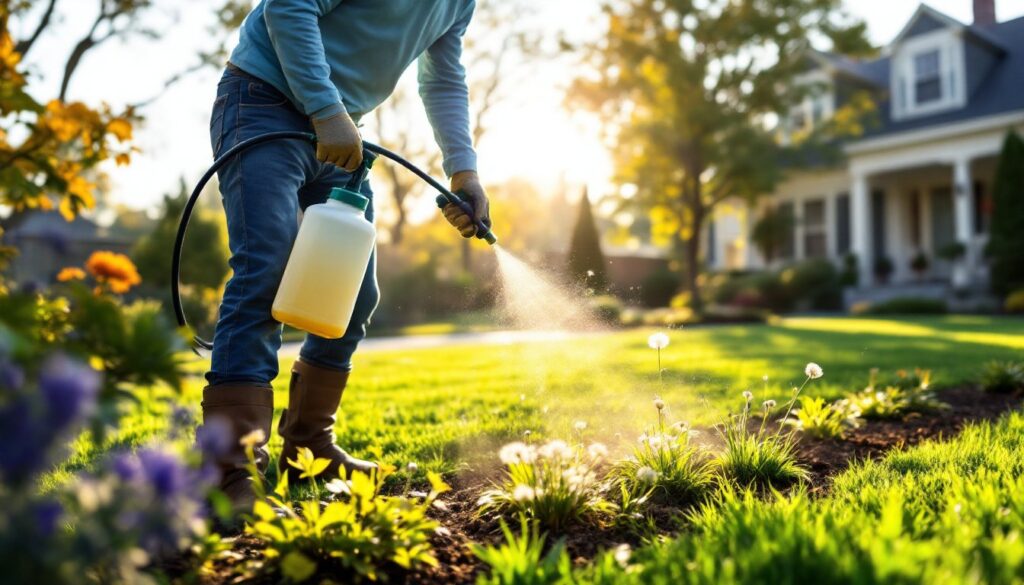
Your lawn and landscape face constant threats from pests, weeds, and diseases that can turn a healthy yard into an eyesore in weeks. Ortho Outdoor Home Defense offers homeowners a practical, accessible toolkit to combat these common outdoor problems without calling in professionals. Whether you’re dealing with stubborn weeds creeping across your flower beds or insects chewing holes in your prized plants, understanding how to use Ortho products effectively means the difference between a thriving landscape and an uphill battle. This guide walks you through what Ortho Outdoor Home Defense is, which products address your specific pest and weed challenges, and how to apply them correctly for best results.
Table of Contents
ToggleKey Takeaways
- Ortho Outdoor Home Defense provides homeowners with consumer-grade, ready-to-use pest and weed control products designed for DIY application without professional help.
- Proper product selection requires identifying the exact pest or weed problem first—take photos, note affected plants, and check product labels to confirm compatibility before applying.
- Timing is critical for effectiveness: apply preemergence herbicides in early spring, postemergence treatments in spring or fall, and grub killers in late summer or early fall.
- Apply all Ortho products during calm, cool conditions (60–85°F) in early morning or late evening, using overlapping coverage and following dilution rates to maximize results and minimize drift.
- Always follow label directions exactly, wear appropriate PPE, keep treated areas off-limits for 24+ hours, and contact Poison Control (1-800-222-1222) immediately if accidental exposure occurs.
- Consider coverage area and budget when choosing between convenient ready-to-spray bottles for small jobs or cost-effective concentrates for larger treated areas.
What Is Ortho Outdoor Home Defense?
Ortho Outdoor Home Defense is a line of pest and weed control products designed specifically for residential homeowners tackling outdoor landscaping challenges. Unlike commercial-grade pesticides that contractors use, Ortho formulations are engineered for safe, straightforward application by DIYers using consumer-grade equipment, think pump sprayers, hose-end applicators, and broadcast spreaders you already own or can rent cheaply.
The product lineup includes insecticides (for controlling insects on foliage and soil), herbicides (for broadleaf weeds, grassy weeds, and grout cracks), fungicides (for mildew, rust, and blight), and specialty treatments (like fire ant killers and grass-killing concentrates for driveway edges). Each formula targets specific pests or plants, so matching the right product to your problem is the first step toward success.
Ortho products typically come pre-mixed in ready-to-spray bottles or as concentrates you dilute in a tank sprayer. The ready-to-spray versions are convenient for small jobs: concentrates offer better value for larger areas. Most formulations are designed to work on contact (killing pests or plants on sight) or systemic (absorbed into the plant to provide longer-lasting control). Read the label carefully, it tells you exactly what the product kills, how to dilute it, how often to reapply, and any safety precautions you need to follow.
Common Outdoor Pests and How Ortho Addresses Them
Insects and Lawn Damage
Insects cause two main headaches: direct damage to plants (aphids sucking sap, beetles chewing leaves, caterpillars defoliating shrubs) and indirect damage to soil (grubs munching grass roots, chinch bugs weakening turf). Ortho offers broad-spectrum insecticides that kill many common garden pests on contact, plus targeted products for specific insects like fire ants.
For lawn-damaging grubs, Ortho Grub-B-Gon or similar grub killers applied in late summer or early fall target larvae before they mature and destroy turf in spring. These work best when soil is moist and grubs are actively feeding. Spot infestations of aphids, mites, or beetles respond well to spray formulations: coverage and thorough application (coating both tops and undersides of leaves) matter as much as the product itself.
One crucial detail: most insecticides are non-selective, meaning they’ll kill beneficial insects like bees and ladybugs too. Apply in early morning or late evening when pollinators aren’t active, and avoid spraying open flowers. If the pest pressure is light, natural pest control strategies may solve the problem without chemicals.
Weeds and Plant Health
Weeds compete for water, nutrients, and sunlight, and they spread fast. Ortho’s herbicide lineup includes selective products (killing broadleaf weeds in grass without harming the lawn) and non-selective glyphosate-based herbicides (like Roundup alternatives) that kill almost any plant they touch, ideal for driveways, sidewalk cracks, and fence lines.
For established broadleaf weeds in lawns (dandelions, clover, plantain), selective postemergence herbicides work by absorbing into the plant and disrupting growth. They’re most effective on young, actively growing weeds in spring or fall when grass isn’t stressed by heat or drought. Stubborn perennials may need a second application 7–10 days later.
Preemergence herbicides prevent weed seeds from sprouting, think crabgrass preventers applied in early spring before soil warms. Timing is critical: apply too late and seeds are already germinating: apply too early and the chemical breaks down before weed pressure peaks. Follow label timing for your region and check regional gardening guides on Sunset Magazine for your specific hardiness zone and growing season.
Always spot-treat small infestations before they spread, and pull large weeds by hand rather than spraying a dense stand (it’s faster, cheaper, and leaves no chemical residue).
Choosing the Right Ortho Product for Your Needs
The Ortho product line is deep, and picking the wrong one wastes money and time. Start by identifying the exact pest or weed: take a photo, note the plant it’s on, and describe the damage. Yellowing leaves and sticky residue scream aphids: brown patches in turf suggest grubs or chinch bugs: broad rosette weeds in grass point to dandelions or plantain.
Check the product label or Ortho’s website to confirm the target pests and affected plants. Many products are safe on vegetables, ornamentals, or lawns, but not all. Using a fruit-tree fungicide on vegetables, for example, may violate label directions and leave unacceptable residues. Homegrown produce safety depends on following label precautions and harvest waiting periods.
Consider coverage area and application method. Small gardens or spot treatments? A ready-to-spray bottle or hose-end applicator is fast and convenient, though more expensive per gallon. Large lawns or repeat applications? A tank sprayer and concentrate offer better economics. Calculate coverage: a typical gallon of concentrate diluted per label instructions covers 2,500–5,000 square feet depending on the product and dilution rate.
Don’t overlook seasonal timing. Spring is prime time for preemergence herbicides and postemergence weed treatments. Summer suits insecticide applications (pests are active). Fall tackles grub prevention and overwintering disease spores. Winter is rest, most products don’t work well in cold, dormant conditions. Patience and timing often beat brute force with chemicals.
Application Tips and Best Practices for Success
Preparation is 80% of success. Before spraying or spreading anything, water your lawn and beds lightly 1–2 days ahead if the soil is dry. Actively growing weeds and stressed plants respond better to treatment than dormant or drought-stressed vegetation. Clear debris, dead leaves, and fallen branches from the area so the product contacts the target plants and soil, not clutter.
Measure accurately. Overapplying doesn’t kill pests faster, it wastes product, harms beneficial organisms, and risks harm to pets or nearby plants. Use the sprayer’s measuring marks or a separate container: don’t eyeball it. Mix concentrates in a shade or indoors to prevent chemical degradation and to see the color change confirming proper dilution.
Apply during calm, cool conditions. Wind carries spray drift beyond your target, damaging desirable plants or contaminating neighbors’ yards. Temperature matters too: most herbicides work best between 60–85°F: hot weather (above 85°F) reduces effectiveness and increases drift. Early morning (before 9 a.m.) or late afternoon (after 4 p.m.) are ideal, pests and weeds are most active, pollinators are less active, and cooler temperatures reduce evaporation.
Use overlapping, even coverage. Spray in parallel passes, overlapping each pass by one-third to one-half the nozzle’s spray width. For granular products (like grub killers or spreader-applied herbicides), calibrate your broadcast spreader and walk at a consistent pace: make two half-rate passes perpendicular to each other for even distribution. After applying any product, water the lawn lightly if label directions recommend it, this activates preemergence herbicides and helps insecticides reach soil-dwelling pests. Avoid watering after postemergence herbicides for 24–48 hours unless the label says otherwise: water can wash off the chemical before it absorbs into the plant.
Wait the full label waiting period before letting children or pets into treated areas. Most Ortho products require 24 hours: some require longer. Reapplication timing also matters: if a second application is needed, wait the interval listed on the label (typically 7–14 days). Retreating sooner wastes product and increases toxicity risk: retreating later may allow pests to rebound.
Safety Considerations for Your Family and Pets
Chemical safety is non-negotiable. Ortho products contain active ingredients that are EPA-registered and deemed safe for household use when applied per label directions, but “safe” only applies if you follow those directions exactly.
Always wear appropriate PPE. A long-sleeved shirt, long pants, closed-toe shoes, and chemical-resistant gloves are the minimum. For concentrate mixing, add safety glasses to prevent splashes, and wear a respirator mask (N95 minimum, P100 preferred) if you’re mixing powders or working in a confined space. Store all products in original, labeled containers in a locked cabinet or garage away from children and pets. Never transfer chemicals to food containers or unlabeled bottles, that’s how accidents happen.
Keep treated areas off-limits until dry. For spray treatments, “dry” typically means 24 hours: for granular applications, water the lawn after application per label directions, then keep kids and pets off until it’s dry (usually 2–4 hours). Read waiting periods between application and harvest for vegetables: some products require 7–21 days or longer. If you’re treating a food garden, double-check that the product is labeled safe for edibles and that you’re using the correct dilution and waiting period.
Dispose of leftover product responsibly. Don’t pour it down the drain, into the street, or onto soil where runoff reaches waterways. Many communities offer hazardous waste collection events: call your local solid waste authority. Empty containers can usually go in recycling if rinsed thoroughly, but check your local rules.
If someone (child or pet) ingests or has contact with a chemical, contact Poison Control immediately (1-800-222-1222 in the US). Have the product label handy, it contains critical safety and first-aid information. For serious exposures, seek emergency medical care. When in doubt about safety, consult comprehensive gardening guides like The Spruce or your local cooperative extension service, which offers free, science-based guidance tailored to your region.